
If you’re considering entering the ATM business, one of the first questions you’ll ask is: How much does an ATM machine cost? Understanding pricing, upfront costs, ATM ownership expenses, and long-term revenue potential helps business owners—from convenience stores to gas stations—decide whether to buy or lease.
Below is a complete ATM pricing guide that explains what affects ATM ownership costs, how surcharge revenue works, and whether an ATM can generate high passive income at your location.
ATM Machine Cost: What You Can Expect to Pay
The ATM machine cost varies depending on the model, brand, and features you choose. Basic, budget-conscious ATMs for merchants and retailers can be purchased for several thousand dollars, while highly sophisticated ATM and ITM (Intelligent Teller Machine) equipment can cost over $100,000.
Factors that affect pricing include:
- Hardware costs (screen size, safe rating, EMV compliance)
- Advanced features such as digital locks, larger cassettes, and wireless connectivity
- Different brands and machine durability
- Market demand and current ATM industry pricing
These various factors determine whether an ATM fits your budget and revenue expectations.
Buy vs. Lease: Which ATM Ownership Strategy Is Better?
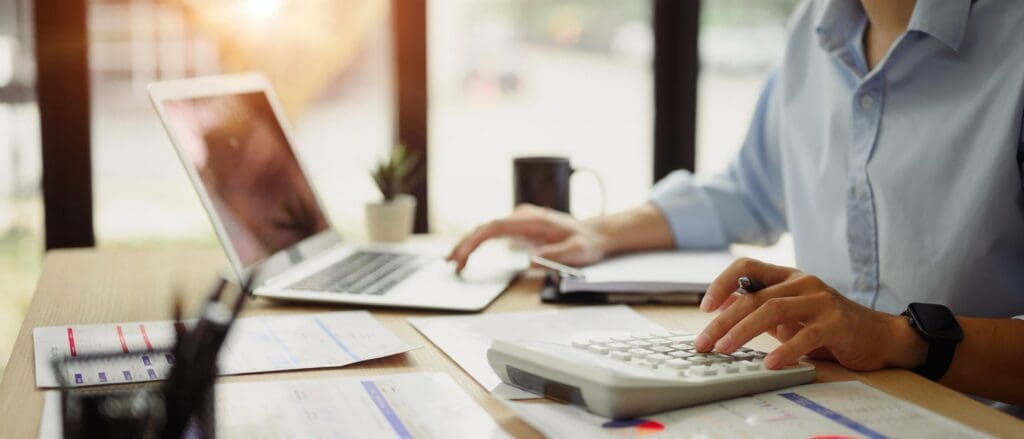
When exploring the cost of ATM ownership, one major decision is whether to buy or lease.
Buying an ATM Machine
Purchasing gives you full control over the machine, its settings, and its surcharge revenue. Owners keep more profit from every transaction, including:
- Cash withdrawals
- Bill payments (if supported)
- Other fee-based transactions
Buying requires a larger upfront investment, but it offers the highest long-term returns.
Leasing an ATM Machine
Leasing has lower startup costs, making it appealing to new and small business owners. However, leasing also comes with monthly fees and less flexibility. Over time, you may pay more than the original price of the machine.
A third option, free ATM placement, is ideal for high-traffic businesses that want an on-site ATM with no out-of-pocket costs. BluePoint installs, services and cash-loads the machine, and the property receives a per-transaction revenue share of the surcharge revenue.
What Goes Into the Upfront Costs of an ATM?
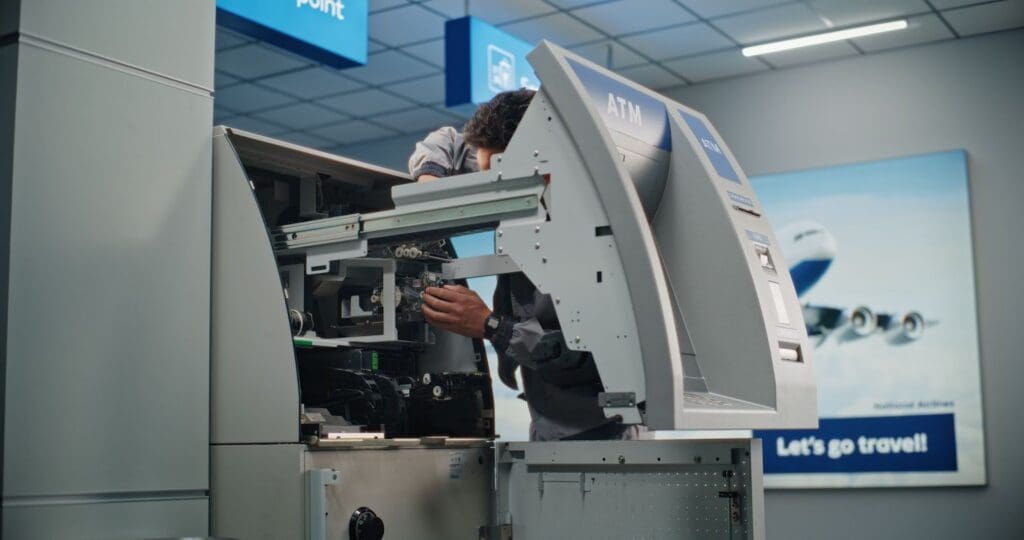
Your upfront investment includes more than the ATM itself. Additional costs may include:
- Installation services
- Cat-5 installation or wireless modem subscription
- Location preparation
- Cash loading (if you do not want to fill the ATM yourself)
These expenses are standard for anyone entering the ATM industry, whether you’re an independent ATM owner or adding a machine to your business to increase foot traffic and more customers.
Operational Costs: What ATM Owners Should Expect
Once the ATM is installed, ongoing maintenance, repairs, and cash-handling expenses determine the long-term cost of ATM ownership. Typical operational costs include:
- Receipt paper
- Occasional repairs
- Processing fees
- Wireless data fees
While these costs vary, most owners find that surcharge revenue covers these expenses easily while still generating strong profit.
ATM Surcharge Fees and How ATM Revenue Works
ATMs generate income by charging cardholders a convenience fee for accessing cash. This is called transaction surcharge. Each time customers withdraw cash you earn money. The more ATM usage your machine receives, the more income it can generate. In the right location, an ATM can offer reliable cash flow with very little day-to-day effort.
ATM Income Potential: How Much Can an ATM Make?
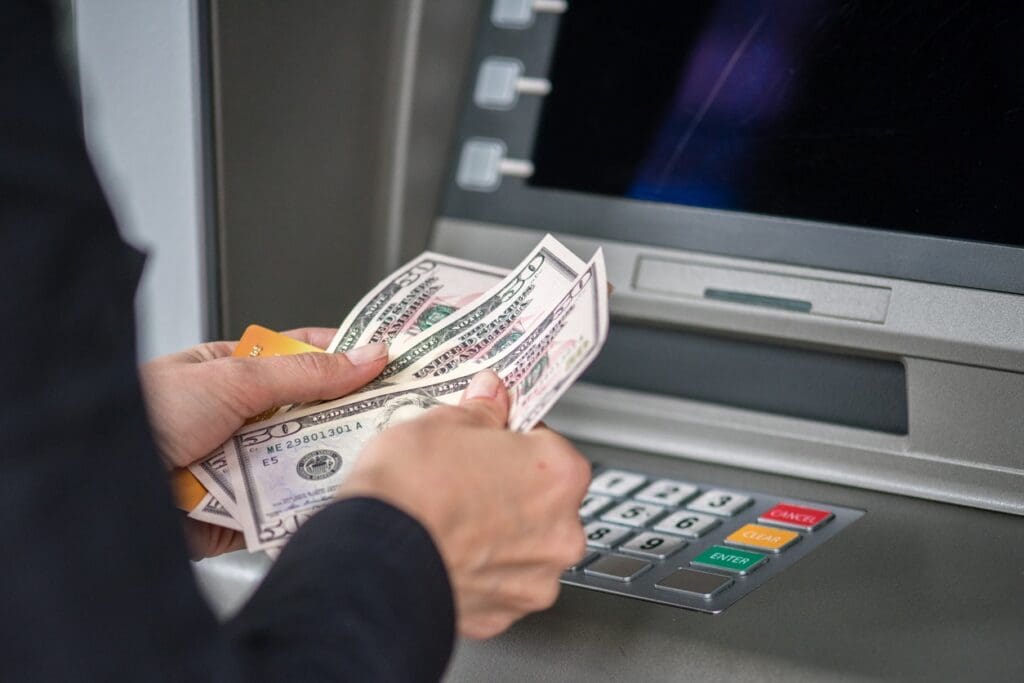
The average ATM completes 150–300 transactions per month. With a $3.00 surcharge, this means a single ATM can generate:
- $450–$900 per month
- $5,400–$10,800 per year
For owners with multiple machines, ATM investment can become a strong source of passive income.
Cost of ATM Ownership vs. Leasing: Which Option Fits Your Goals?
Your choice depends on how much control and revenue you want.
- Buying maximizes profit.
- Leasing lowers upfront investment.
- Free placement minimizes costs and labor but reduces revenue share.
Every owner must decide what structure aligns with their business goals and financial comfort.
Is an ATM a Smart Investment for Business Owners?
Today, many business owners add ATMs to provide easy access to cash, increase foot traffic, and enhance customer convenience. Whether you’re running a convenience store, gas station, or small business, an ATM helps customers access cash on-site while allowing you to earn more money from every transaction.
Because people depend on cash for quick purchases, the demand for ATMs remains high across the ATM industry. That makes ATM ownership a smart investment for anyone interested in stable, recurring revenue.
Ready to Invest? Bluepoint ATM Can Help

If you’re interested in ATM ownership but want a trusted partner to guide you through pricing, setup, and support, Bluepoint ATM offers:
- Cost-efficient, reliable ATM equipment.
- Full services including installation, repairs, processing and cash replenishment.
- Flexible ownership options
- High-quality customer support
- Guidance on choosing the right machine for your location
Partnering with a reliable ATM company ensures your machine runs smoothly—and earns maximum revenue.
Final Thoughts
The price of an ATM machine depends on different types of models, features, and the level of service you want. Whether you buy, lease, or opt for free ATM placement, understanding the full investment picture helps you make the right choice.
An ATM can offer strong returns, low startup costs, and reliable long-term income. With the right partner—like Bluepoint ATM—you can confidently enter the ATM market and start earning.
FAQs: ATM Machined Cost
How much does an ATM machine cost to buy outright?
For most business owners in 2026, a brand-new, retail-grade ATM machine cost typically ranges between $2,000 and $3,000. If you require more advanced “Through-the-Wall” (TTW) units or Intelligent Teller Machines (ITMs) with deposit capabilities, prices can increase to $5,000 to $10,000+.
What are the monthly fees for leasing an ATM?
If you want to avoid a large upfront ATM machine cost, leasing is a popular alternative. Monthly lease payments generally fall between $50 and $150, depending on the machine model and the length of your contract. While this lowers initial expenses, keep in mind that you may pay more over the life of the lease than if you had purchased the unit.
Are there hidden expenses in the total cost of ATM ownership?
Beyond the sticker price, you should budget for “hidden” costs such as:
- Installation: $200 – $500 for professional bolting and setup.
- Connectivity: $10 – $30 per month for a dedicated wireless modem or internet line.
- Maintenance: Occasional costs for receipt paper and repairs.
- Insurance: Protecting your hardware from theft or vandalism.
How much cash do I need to keep the machine loaded?
The amount of “vault cash” you need is separate from your ATM machine cost. On average, a machine needs $1,000 to $5,000 in inventory at all times. This money is not “spent”; it cycles from the machine to your bank account and back into the machine as customers make withdrawals.
How long does it take to see a return on my ATM machine cost?
Most independent ATM owners recoup their initial investment within 6 to 18 months. This “break-even” point depends heavily on your transaction volume and the surcharge fee you set (typically $2.50 to $4.00 per withdrawal).