
Going Cashless may appear modern and efficient, but in 2026 it presents a growing legal and operational risk for many businesses. Cashless-only policies are increasingly scrutinized by regulators, while traditional cash handling continues to drain margins through labor costs, errors, and shrinkage. Businesses that fail to adapt face both compliance exposure and declining profitability.
A proactive cash management audit helps identify these risks and reveals how cash-to-card technology can protect revenue while maintaining legal compliance.
Why “Cashless” Policies Create Legal Risk
Many businesses assume refusing cash is legal everywhere. That assumption is increasingly incorrect. State and local governments continue to enforce laws requiring businesses to accept cash in order to protect unbanked and underbanked customers and ensure equal access to goods and services.
When businesses operate as cashless-only, they risk fines, forced policy changes, legal disputes, and reputational damage. As enforcement increases, compliance is no longer optional. Businesses must accept cash—but how they accept it matters.
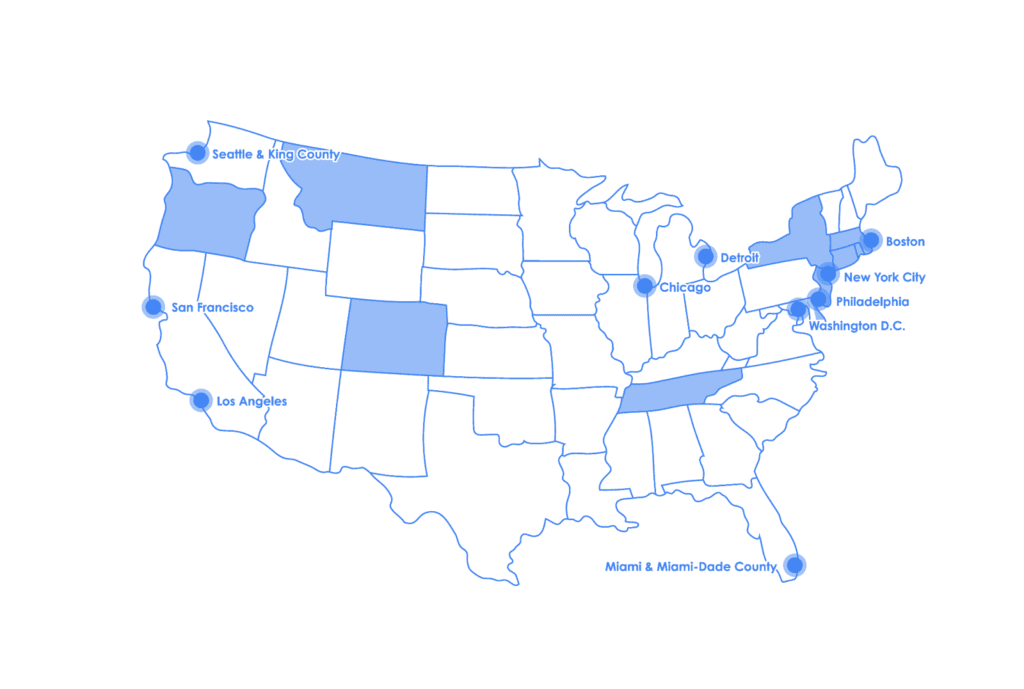
10 States and dozens of cities have already passed laws requiring cash acceptance, and more jurisdictions continue to follow.
The Hidden Cost of Manual Cash Handling
Accepting cash using traditional methods introduces financial strain that often goes unnoticed until margins erode. Manual cash handling incurs significant costs, including labor for cash counting and security expenses for cash transport and storage. A cash management audit frequently reveals that manual cash handling is one of the most expensive operational processes in retail.
Employees spend hours counting drawers, reconciling cash registers, managing deposits, and correcting errors. These labor-intensive processes drive up labor costs and reduce productivity, making labor cost reduction difficult to achieve. These processes also result in additional costs and hidden costs, such as indirect expenses and overheads, which can erode profit margins.
Manual cash management requires significant time and attention to detail, often involving multiple staff members.
Retail Margin Shrinkage Is Often Self-Inflicted
Retail shrinkage is defined as the gap between recorded and actual inventory counts. The leading cause of retail shrinkage is theft, including shoplifting and employee theft, but fraud, accounting errors, data entry mistakes, and poor stock management also contribute.
Shrinkage is commonly blamed on theft, but human error and poor cash controls are equally damaging. Manual counting, inconsistent procedures, and limited oversight create opportunities for mistakes that accumulate over time.
Industry research shows that retail margin shrinkage tied to cash handling can consume as much as nine percent of revenue. Without automated systems, these losses are difficult to detect and even harder to reverse. The average shrinkage rate for retailers was approximately 1.6% in 2023, according to the National Retail Federation.
Retailers can combat retail shrink by implementing robust inventory management, employee training, security measures, advanced technology, and comprehensive loss prevention strategies. Reducing shrink requires a focus on fraud detection, operational controls, and accountability. Employee training and accountability are essential for reducing shrink, as well as collaboration between loss prevention teams and other departments to address all causes of retail shrinkage.
Operational Inefficiencies Impact Customer Experience

Manual cash handling doesn’t just affect accounting—it slows operations. The time spent managing cash manually can lead to longer lines and a poor shopping experience for customers. Long shift changes, delayed reconciliations, and register discrepancies pull employees away from customers. When staff are focused on cash drawers instead of service, customer experience suffers. Long lines at checkout, often caused by slow manual cash handling processes, can frustrate customers, and improving customer service requires streamlining these processes.
Improving efficiency requires removing unnecessary friction from daily operations, not adding more controls to outdated systems.
The Importance of Cash Flow
Effective cash flow management is the backbone of any successful retail operation. Cash flow—the movement of money in and out of your business—directly impacts your ability to meet financial obligations, invest in growth, and maintain a competitive edge. In retail, managing cash flow means more than just tracking sales; it requires robust systems for handling cash, reconciling transactions, and minimizing both errors and security risks.
Cash handling often leads to operational inefficiencies, increased labor costs, and a higher risk of human error. Employees spend valuable time on manual counting, reconciling cash registers, and resolving discrepancies—time that could be better spent improving customer satisfaction and driving sales. These inefficiencies not only drain productivity but also expose the business to greater security risks and retail shrinkage.
According to the National Retail Federation, retail shrinkage—including losses from theft, errors, and other factors—costs retailers billions of dollars each year. Left unchecked, these losses can erode profitability and undermine the stability of your business. Manual cash handling makes it difficult to detect the root causes of shrinkage, whether from external theft or internal mistakes, and often leads to incomplete visibility over cash transactions.
Reverse ATMs address these challenges head-on. By streamlining cash management processes, these systems reduce labor costs, minimize human error, and enhance operational efficiency. Automated solutions provide real-time data and complete visibility into every cash transaction, empowering retailers to make informed decisions, optimize cash flow, and quickly identify discrepancies. For example, a grocery store chain using automated cash handling can track cash transactions across multiple locations, spot trends, and adjust processes to reduce errors and deter theft.
Enhanced security is another critical benefit. Prepaid Kiosks restricts access to authorized, BluePoint personnel, elimiating the risk of both external cash theft and internal cash shrinkage. Cash-to-Card Kiosks allow businesses to reduce shrinkage, protect their money, and focus on delivering a better customer experience.
In today’s competitive retail environment, effective cash flow management is not optional—it’s essential. Automated cash handling solutions help retailers reduce costs, improve operational efficiency, and enhance customer satisfaction. By investing in these technologies, retail organizations can reduce shrinkage, increase profitability, and position themselves for sustainable growth.
Why a Cash Management Audit Is Essential in 2026
A comprehensive cash management audit evaluates how cash flows through your business and identifies where money, time, and control are being lost. Conducting an effective cash management audit involves a systematic review of policies, procedures, and controls. Key areas of focus in a cash management audit include accuracy, security, liquidity, and efficiency. Accuracy involves verifying cash balances against ledgers and tracing transactions for correctness, while efficiency analyzes cash inflows and outflows to identify bottlenecks and improve operational systems. Regular audits help prevent fraud and theft as cash is particularly vulnerable, and ensure funds are safeguarded, liquidity is optimized, and financial health is maintained. Risk mitigation is also a critical component, helping identify and manage financial risks like interest rate volatility or credit defaults. The assessment involves evaluating inherent risks associated with cash handling procedures. A cash management audit verifies the accuracy, security, and efficiency of a company’s cash handling activities, which in turn supports better decision making, increased accountability, and reduces human error through improved processes and automation.
Most businesses underestimate the true cost of managing cash manually until they see the data laid out clearly.
Cash-to-Card Solutions Solve Both Compliance and Efficiency
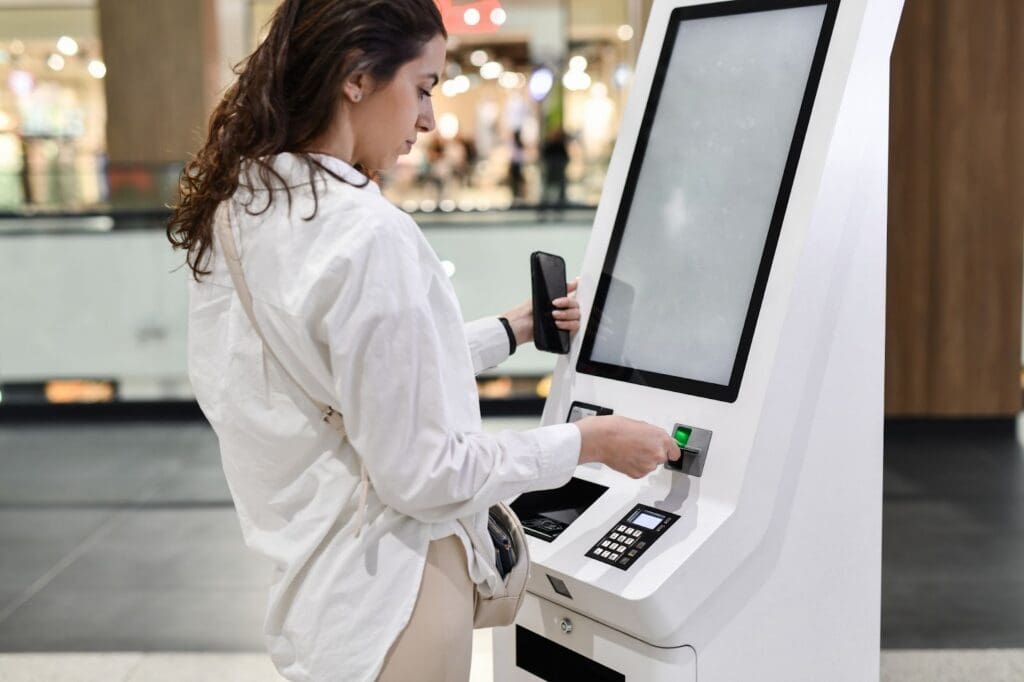
A Reverse ATM, also known as a cash-to-card system, allows customers to convert cash into a prepaid or digital card on-site. This approach satisfies cash acceptance laws while removing cash from daily operations.
Cash deposit machines automate cash counting, reconciliation, and deposit processes, providing a secure way to store cash immediately upon deposit and restricting access to authorized personnel. Automating cash deposits allows retailers to receive real-time updates on cash levels, ensuring accurate views of available funds and improving cash flow management. Automated cash handling reduces the risk of theft and errors associated with manual cash management. These machines also streamline deposits to the bank, enhancing security during bank-related transactions and providing real-time visibility into all cash transactions.
By eliminating manual cash handling at the point of sale, businesses reduce labor costs, minimize errors, improve security, and significantly lower retail margin shrinkage. Cash enters the system once and no longer circulates through registers, drawers, or employee hands.
Labor Cost Reduction Without Sacrificing Access
When cash-to-card systems are in place, employees no longer spend time counting cash or resolving discrepancies. Shift changes are faster, accountability improves, and staff can focus on customers instead of cash management tasks.
This operational shift directly supports labor cost reduction while improving service quality and transaction efficiency.
The Bottom Line

In 2026, refusing cash creates legal risk, and handling cash manually creates financial risk. Both threaten profitability if left unaddressed.
Companies, including retail stores and grocery store chains, benefit from regular cash management audits to optimize retail operations and reduce total retail loss. A cash management audit exposes how much revenue is lost to inefficiency, labor overhead, and shrinkage. Total retail loss includes expected losses from price reductions and maintenance, while shrinkage refers to unexpected losses. Positive cash management enhances credibility with stakeholders, improving loan terms and credit limits. Follow-up reviews are conducted to confirm that corrective actions from the audit report have been implemented. Cash-to-card technology offers a proven way to stay compliant, reduce operational costs, and protect margins—while allowing employees to focus on customers, not cash drawers.
Q&A (Questions & Answers) About Cash Management Audit

1. Is it legal for my business to go completely cashless in 2026?
While going cashless may seem efficient, many state and local governments have passed laws requiring businesses to accept physical currency. These regulations are designed to protect unbanked and underbanked customers. Operating as cashless-only can lead to legal disputes, fines, and reputational damage, making compliance a critical priority for modern retailers.
2. How does a Reverse ATM help with legal compliance?
A Reverse ATM (cash-to-card system) allows your business to remain 100 percent compliant with cash acceptance laws while still maintaining a cashless checkout process. Customers insert their cash into the kiosk and receive a prepaid card, which they then use to complete their purchase. This satisfies the legal requirement to accept cash without the need for cash drawers at the point of sale.
3. What is the difference between total retail loss and shrinkage?
In a cash management context, shrinkage refers to unexpected losses caused by theft, human error, or accounting mistakes. Total retail loss is a broader category that includes shrinkage as well as expected losses, such as price reductions, maintenance costs, and expired inventory. A cash management audit helps distinguish between these two to identify where revenue is being lost unnecessarily.
4. How does manual cash management audit affect my business’s cash flow?
Manual handling creates “blind spots” in your cash flow. Because money is tied up in registers, back-office safes, and manual counting processes, it is difficult to see exactly how much liquid capital you have at any given moment. Automated systems provide real-time visibility into every transaction, allowing you to optimize cash flow and make more informed financial decisions.
5. Can automating cash deposits reduce my labor costs?
Absolutely. One of the biggest drains on retail margins is the time employees spend counting drawers, reconciling registers, and preparing bank deposits. By using automated cash deposit machines or cash-to-card kiosks, you eliminate these labor-intensive tasks. This supports significant labor cost reduction and allows your staff to focus on improving the customer experience.