
As the world undergoes a rapid digital transformation, the debate around cash vs digital payments continues to shape the future of money. Customers seek secure, fast, and convenient financial services, making security a major factor in the ongoing relevance of both cash and digital payments. With mobile wallets, contactless transactions, and online banking on the rise, it might seem that traditional automated teller machines (ATMs) are losing relevance. However, despite changing payment habits and evolving consumer behavior, ATMs remain an essential financial access point—especially for people and businesses that still rely on accessing cash as part of their preferred payment method.
In truth, the ATM’s role is transforming—not disappearing. The ATM industry continues to innovate, blending digital payments, enhanced security, and smart ATM technology to meet the demands of the modern financial landscape.
Cash vs Digital Payments: Balancing Modern Convenience with Financial Access
The rise of digital and contactless transactions has transformed how consumers manage money. Mobile wallets and mobile apps like Apple Pay and Google Pay make payments instant, while digital banking gives people full control over their accounts from anywhere. Yet, cash usage remains significant worldwide. For many, cash represents security, privacy, and inclusivity—especially in regions where financial institutions or traditional bank branches are limited.
ATMs remain relevant because they offer a critical bridge between physical and digital money. They support those who depend on cash while complementing digital payments by enabling deposits, withdrawals, and even fund transfers between accounts. This hybrid accessibility reinforces financial inclusion and ensures that no customer is left behind in the global financial ecosystem.
Here is a detailed breakdown of the benefits for both businesses and consumers when multiple payment methods, including cash and digital payments, are available. For businesses, offering a variety of payment options can increase sales by catering to a wider customer base and help expand into new markets where preferences for payment methods differ. For consumers, having access to both cash and digital payments provides greater flexibility, convenience, and security, ensuring that everyone can participate in the economy regardless of their preferred payment method.
The Evolution of ATMs: From Cash Dispensers to Modern Hubs
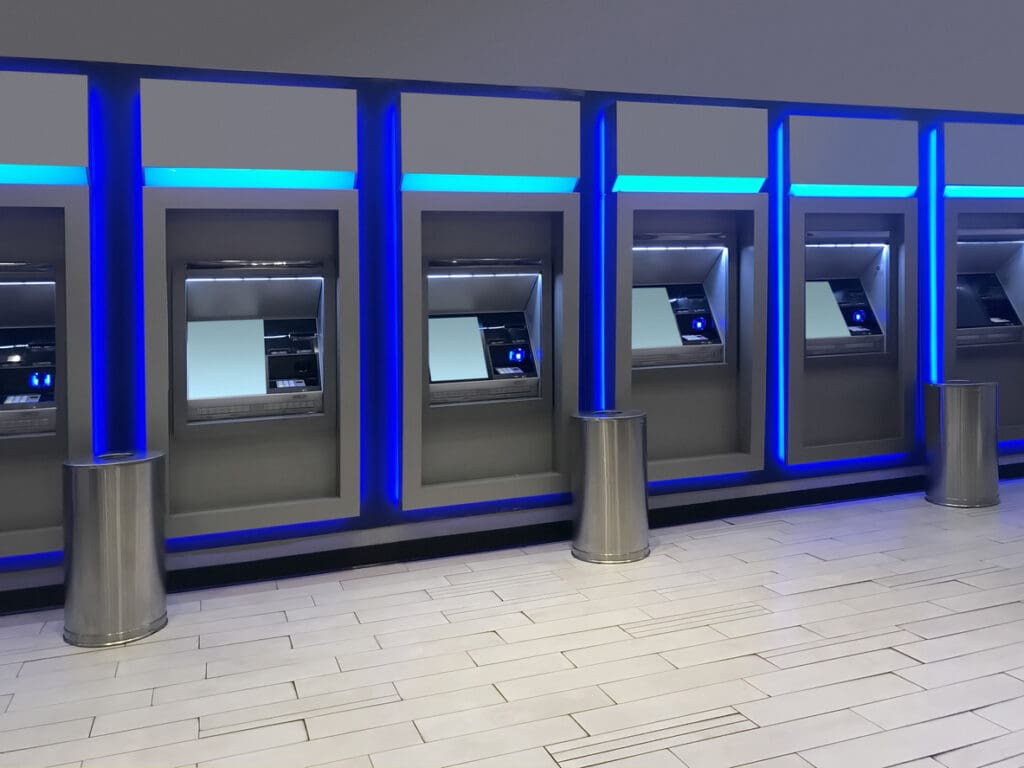
Automated Teller Machines (ATMs) have come a long way since their inception as simple cash dispensers. Today, they stand as modern financial hubs, offering a comprehensive suite of banking services that reflect the rapid digital transformation sweeping the financial sector. Driven by evolving consumer behavior and increasing regulatory pressures, the ATM industry has embraced advanced technologies to meet the changing needs of customers.
Modern ATMs are now equipped with biometric security features, such as fingerprint and facial recognition, ensuring secure transactions and protecting users from fraud. Video banking capabilities allow customers to interact with banking representatives remotely, making complex transactions more accessible without visiting a branch. AI-powered monitoring systems are revolutionizing ATM operations by enabling predictive maintenance, which not only reduces maintenance costs but also ensures higher uptime and reliability.
Independent ATM networks are playing a pivotal role in expanding access to these advanced services, especially in areas underserved by traditional banks. As a result, ATMs have solidified their position as an essential financial access point, bridging the gap between digital and physical banking. With the global ATM market size projected to grow, these innovations are set to further transform how consumers interact with banking services, ensuring that ATMs remain a cornerstone of the modern financial ecosystem.
The Ongoing Importance of ATMs Today
Despite the dominance of digital payments, the ATM importance today is stronger than ever. Modern ATM technology is advancing rapidly, helping financial institutions and independent ATM networks deliver secure, fast, and convenient service. Technological advancements and the rising demand for automation are driving significant market growth in the ATM industry.
Key benefits of cash vs digital payments in today’s ATM usage and operations include:
- Improved security measures: Features like biometric authentication and biometric security protect against unauthorized transactions.
- Smart ATMs: These AI-powered ATMs leverage AI-powered monitoring systems and predictive maintenance, helping operators prevent breakdowns and reduce maintenance costs.
- Enhanced customer experience: With video interfaces and remote assistance, customers enjoy real-time payment networks and self-service financial access without relying on traditional bank counters.
- ATM networks expansion: Independent operators and bank-operated ATMs are expanding ATM networks across communities to increase financial inclusion.
By embracing these key trends shaping the ATM industry, financial institutions can adapt to an increasingly digital world while maintaining customer retention and satisfaction.
The Importance of ATM Networks in Ensuring Access
ATM networks are the backbone of accessible banking, especially as the number of traditional bank branches continues to decline. According to the Federal Deposit Insurance Corporation (FDIC), the reduction in bank branches has made ATMs an indispensable part of the banking system, particularly for customers who rely on cash as their preferred payment method. This shift has led to increased ATM usage, with many customers turning to ATMs for essential services such as cash withdrawal, fund transfer, and depositing checks.
For communities with limited access to traditional banks, ATM networks provide a vital link to financial inclusion. They enable customers to perform a variety of banking services conveniently, without the need to travel long distances to a bank branch. This is especially important for underserved populations, where ATMs often serve as the primary point of contact with the financial system.
By ensuring widespread access to cash and other banking services, ATM networks play a crucial role in supporting the diverse payment habits of many customers. Whether it’s accessing cash for daily expenses or managing accounts through self-service options, ATMs help maintain the accessibility and inclusivity of the banking sector in a rapidly changing financial landscape.
ATM vs. Mobile Pay: Complementary Payment Methods

When it comes to ATM vs mobile pay, both systems serve valuable purposes. Card payments and contactless transactions dominate retail environments, but ATMs globally continue to provide access to cash withdrawal, deposits, and other banking services.
Many customers still prefer the simplicity of cash for budgeting and small purchases, while others use ATMs as part of their broader digital wallet strategy—depositing and withdrawing funds between their checking account, debit card, or prepaid debit cards.
Meanwhile, smart ATMs are becoming full-service financial kiosks that combine traditional banking systems with advanced ATM technology like video banking, biometric authentication, and real-time connectivity to mobile wallets. This hybrid approach allows financial institutions to meet customer expectations while offering enhanced security and easy access to funds.
The Role of Smart ATMs in a Digital Age
Smart ATMs are redefining the customer experience in the digital age, offering far more than just cash withdrawals. These advanced machines integrate cutting-edge ATM technology, including biometric authentication, contactless transactions, and support for digital payments, making them a vital part of the digital banking ecosystem.
With smart ATMs, customers can enjoy a seamless blend of traditional and digital banking services. From card payments and mobile wallet transactions to online banking features like balance inquiries and bill payments, smart ATMs provide a comprehensive, user-friendly experience. Financial institutions are increasingly investing in these technologies to meet rising customer expectations and to stay competitive in a market where digital banking is becoming the norm.
The adoption of smart ATMs also supports the shift toward contactless transactions, allowing customers to access banking services quickly and securely. By offering a wide range of services in a single location, smart ATMs enhance convenience and accessibility, ensuring that banking remains inclusive and adaptable to the needs of today’s consumers.
ATM Testing and Security: Safeguarding Transactions
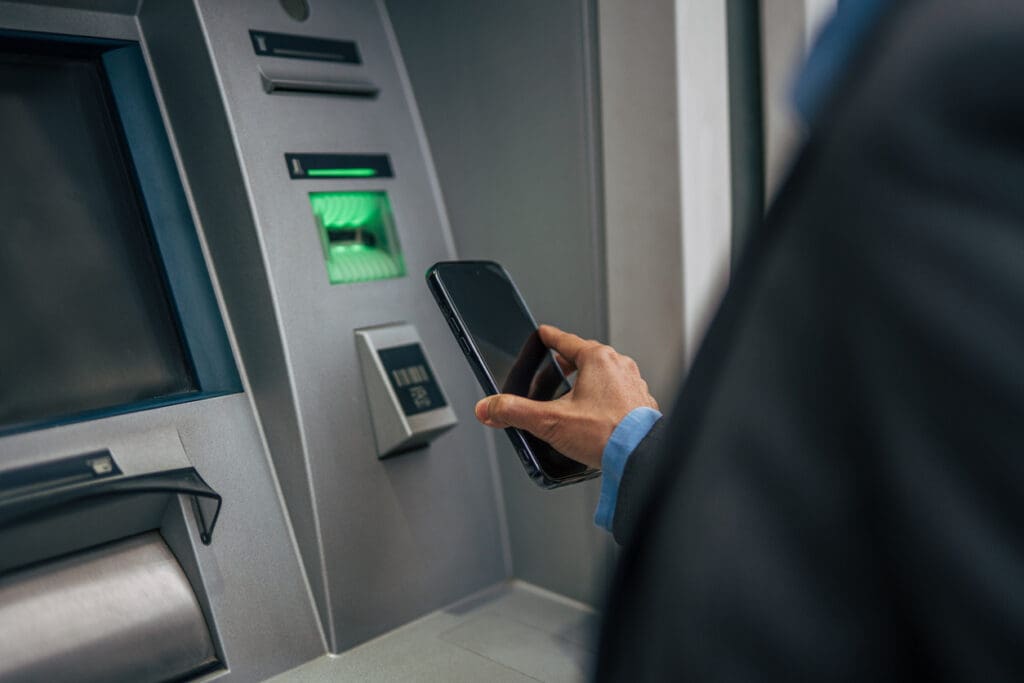
As ATMs become more sophisticated, ensuring the security and reliability of every transaction is more important than ever. Rigorous ATM testing and robust security measures are essential for protecting both customers and financial institutions from the growing threat of cyberattacks and fraud.
ATM operators and financial institutions are implementing advanced security protocols, including biometric security, encryption, and AI-powered monitoring systems, to detect and prevent unauthorized activities. These technologies not only safeguard sensitive customer data but also enable real-time monitoring and rapid response to potential threats.
Regular and rigorous ATM testing is a cornerstone of maintaining trust in the banking system. By prioritizing security and reliability, financial institutions can provide customers with peace of mind, knowing that their transactions are protected. As the ATM industry continues to evolve, ongoing investment in testing and security will remain critical to delivering a seamless and secure banking experience for all users.
The Future of Cash Machines in a Digital World
The future of cash machines lies in innovation. As the financial landscape shifts, ATM deployers and independent operators are investing in rigorous ATM testing to ensure reliability, while AI-powered monitoring systems and remote assistance features help lower maintenance costs and improve uptime.
ATMs are evolving beyond basic withdrawals—modern systems now support digital payments, balance inquiries, bill pay, and even fund transfer through integrated banking services. The result is a new generation of smart ATMs that combine improved security measures, faster processing, and better user interfaces.
As the global ATM market size continues to grow, experts predict that these machines will remain a key part of the global financial ecosystem, even as increased digital payment adoption continues. Whether you’re a bank, retailer, or part of the banking sector, investing in modern ATMs ensures your business keeps pace with key trends while supporting financial inclusion.
Partnering with a Trusted Independent ATM Networks Provider

In today’s complex financial landscape, having a reliable ATM partner can make all the difference. A provider that understands transforming ATM operations, enhanced security, and customer experience is essential for success.
BluePoint ATM is a leader in ATM operations and technology, offering businesses and financial institutions turnkey solutions—from installation and monitoring to compliance and upgrades. Our independent ATM networks are built for reliability, with a focus on innovation, uptime, and rigorous ATM testing to ensure your machines perform at their best.
Whether you’re expanding your ATM network, upgrading your ATM security, or seeking ways to meet the growing demand for digital and contactless transactions, BluePoint provides the expertise to keep your operation secure, efficient, and future-ready.
Contact BluePoint ATM today to learn how our smart ATM technology and managed solutions can enhance your business operations while keeping you ahead in the evolving world of cash vs digital payments.