
How Reverse ATMs Are Changing the Way We Pay
May 21, 2025
As more businesses and consumers move away from physical cash, the demand for innovative prepaid card solutions is transforming how we handle payments. One such innovation is the Reverse ATM—a type of cash to card kiosk that allows cash-paying customers to instantly exchange cash for prepaid debit cards. These Cash-to-Card Kiosks are becoming essential in cashless venues and businesses where digital transactions are the norm but customers still rely on cash.
Unlike traditional ATMs, Reverse ATMs don’t dispense cash. Instead, they provide a fast and secure way to convert cash to a Visa/Mastercard prepaid debit card. This helps businesses eliminate cash handling while ensuring cash paying customers are not left behind in the shift to cashless payments.
Introduction to Reverse ATMs
Reverse ATMs, also known as Cash-to-Card Kiosks, or Prepaid Kiosks, are innovative payment solutions that enable cash-paying customers to convert their cash into a prepaid debit card, that can be used onsite or anyplace Visa/Mastcard is accepted. Reverse ATM technology has enabled organizations to eliminate cash from their operations, boosting operation efficiencies, security and customer satisfaction. By using a Reverse ATM, customers can easily convert their cash into a prepaid debit card, which can be used to make purchases in person or online, eliminating the need for cash handling.
What is a Reverse ATM?
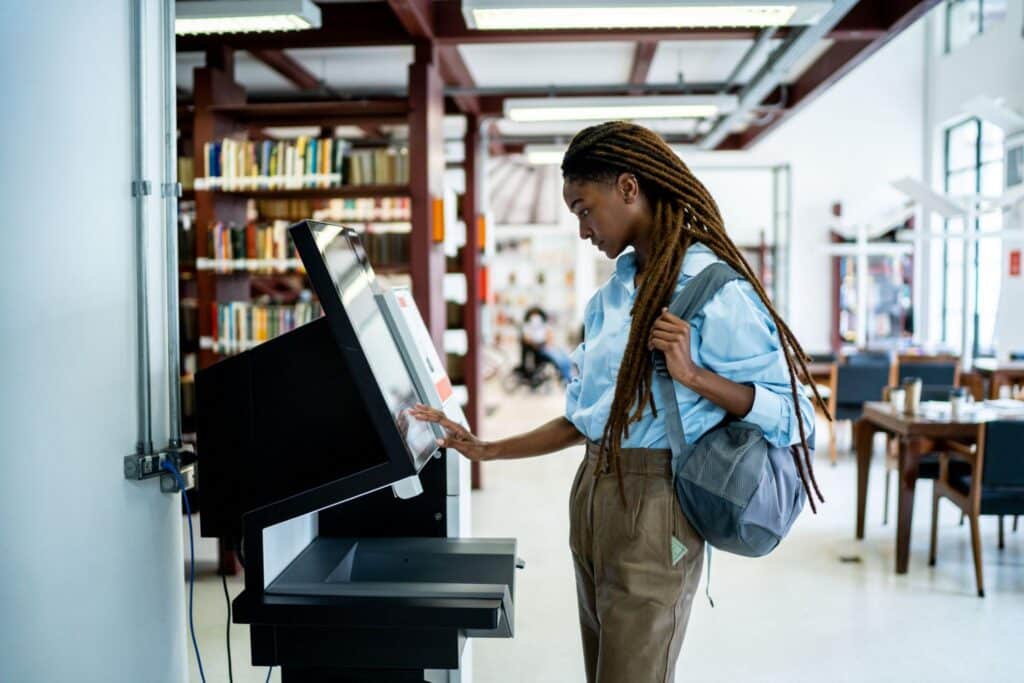
A Reverse ATM—also referred to as a Cash to Prepaid Card Machine—is a self service kiosk that allows users to insert cash and instantly receive a prepaid debit card. These prepaid kiosks function as a cash to card solution, allowing people without bank accounts or debit cards to participate in a cashless economy.
Cash-2-Card kiosks are ideal in places where card payments are preferred or required. The machine collects cash, verifies the amount, and issues a prepaid card that can be used anywhere debit cards are accepted. This reduces time waiting at registers and helps minimize errors tied to manual cash handling.
Types of Reverse ATMs
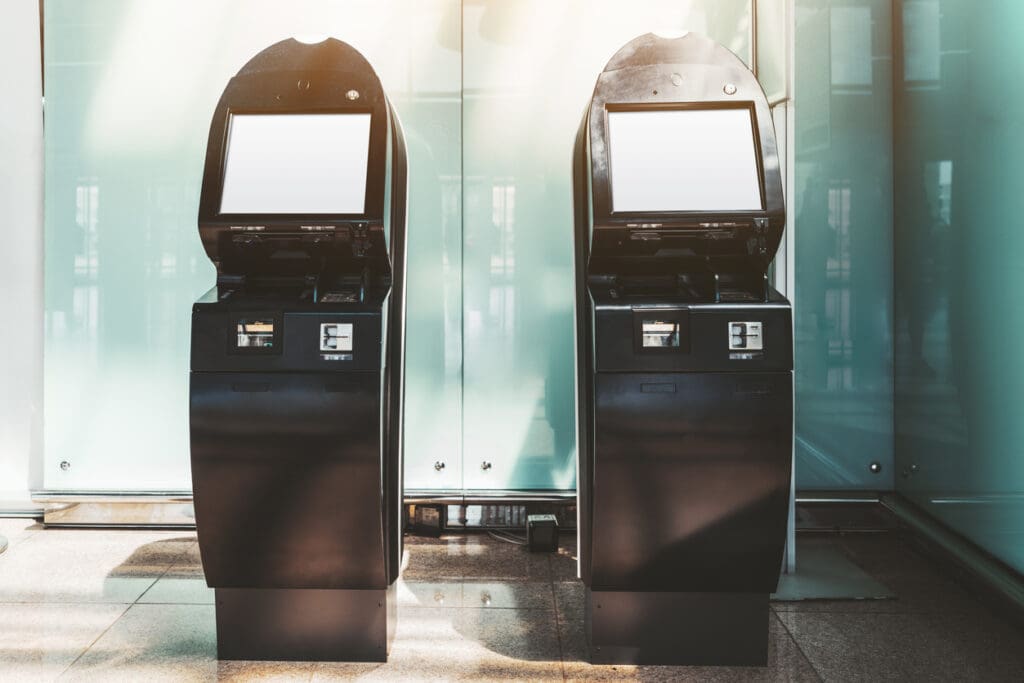
There are various types of Reverse ATMs available, each designed to meet the specific needs of different businesses and industries. Some common types of Reverse ATMs include cash-to-card kiosks, dual ATM/Reverse ATM, Cash Recyclers, prepaid card dispensers, and self-service kiosks. Reverse ATMs are found at Stadiums, Arenas, Amusement Parks, Tourist Attractions, Airports, Hotels, Universities, and Hospitals to provide guests with a convenient and secure way to convert their cash into a prepaid debit card. Additionally, some Reverse ATMs can also dispense gift cards or other types of prepaid cards, making them a versatile solution for businesses.
Benefits for Businesses and Customers

For many businesses, the shift toward cashless payments is about more than convenience—it’s about efficiency, safety, and better service. By using cash to card kiosks, businesses reduce the need for employees to count, store, or transport cash, which is time-consuming and prone to internal theft. This transition eliminates cash transactions at the register, alleviating concerns over pathogen transmission and staff safety. Reverse ATMs also boost customer satisfaction as they experience quicker, more efficient service.
Customers also benefit from having the ability to make card payments without needing a bank account, and they spend less time handling change and more time enjoying their activities. Whether at tourist attractions, entertainment venues, or travel plazas, Reverse ATMs help eliminate friction.
Security Features
Reverse ATMs are equipped with advanced security features to ensure that transactions are secure and reliable. These features include encryption, secure data storage, and user authentication, which protect customers’ sensitive information and prevent fraud. Additionally, Reverse ATMs are designed to comply with industry standards and regulations, such as those set by Mastercard and other payment providers. By using a Reverse ATM, businesses can reduce the risks associated with cash handling, such as lost or stolen cash, and provide their customers with a secure and convenient payment experience.
How Reverse ATMs Work
Reverse ATMs work by allowing customers to insert their cash into the machine, which then dispenses a prepaid debit card with the equivalent value. The card can be used to make purchases online or offline, and can be reloadable, making it a convenient solution for customers who prefer to use cash. The process is simple and efficient, eliminating the need for cash handling and reducing the risks associated with it. Additionally, Reverse ATMs can provide businesses with real-time reporting and analytics, enabling them to track transactions and optimize their operations.
Where Reverse ATMs Are Making the Biggest Impact

Cash to card kiosks are now common in cashless venues like sports arenas, concert halls, and amusement parks. These high-traffic locations prioritize speed and safety, and self service kiosks support both. Visitors can convert cash into prepaid cards and use them throughout the venue with ease. Reverse ATMs can be tailored to various locations, ensuring that businesses and specific venues like stadiums and restaurants can offer scalable and convenient payment solutions.
Retail chains, transportation hubs, and government facilities are also installing cash to card systems to increase financial inclusion and offer more payment efficiencies. By providing access to card technology, these providers support customers who still rely on cash but want to engage in a cashless world. Reverse ATMs enhance customer visits by providing convenient payment solutions, reducing wait times, and allowing customers to enjoy their visit more fully.
How Reverse ATMs Improve Operations
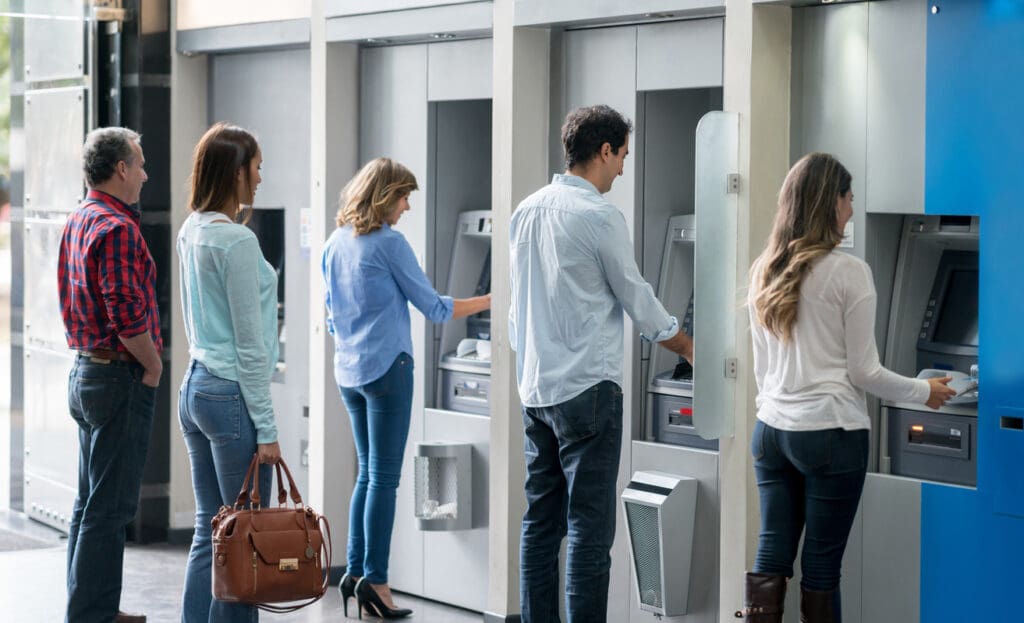
Using Reverse ATMs can streamline operations by reducing cash handling, lowering labor requirements, and enhancing overall efficiency. Since the kiosks intake cash automatically –and the Reverse ATM provider empties the cash– businesses can operate more efficiently by reallocating employees to higher-value tasks. This not only improves the customer experience but also supports better resource management.
With instant transactions, prepaid card kiosks offer high performance in terms of transaction speed and reliability. The digital technology behind them supports tracking, reporting, and real-time monitoring—making it easy for businesses to account for all of their sales income accurately in real time.
Innovation in Payment Technology
The development of Reverse ATMs has been driven by innovation in payment technology, which has enabled the creation of secure and efficient payment solutions. The use of advanced technologies, such as encryption and secure data storage, has made it possible to provide customers with a secure and convenient payment experience. Additionally, the integration of Reverse ATMs with other payment systems, such as online payment platforms, has enabled businesses to provide their customers with a seamless payment experience. As payment technology continues to evolve, we can expect to see even more innovative solutions emerge, such as mobile payments and contactless payments, which will further transform the way businesses handle cash payments.
Conclusion: A Smarter Way to Pay
Reverse ATMs represent a major step forward in inclusive, efficient, and secure payment options. These self service kiosks give cash paying customers access to the cashless economy through cash to card conversion, using reliable and easy-to-use card kiosks.
By adopting this card solution, businesses improve customer experience, simplify operations, and reduce the burden of cash handling. As cashless payments continue to grow, the ability to convert cash into prepaid debit cards ensures that everyone, regardless of financial background, can participate.
Whether you’re managing a stadium, theatre or family entertainment center, now is the time to embrace cash to card kiosks—and change the way your customers pay, for the better.