
On November 17, 2025, Gov. Kathy Hochul signed Senate Bill S4153A into law, establishing one of the most comprehensive cash acceptance mandates in the United States. Albany’s statewide cashless ban requires most retail and food businesses to accept U.S. currency statewide, effective by March 2026.
The law was introduced to ensure that New Yorkers, especially those who rely on cash, are not excluded from participating in the economy by guaranteeing consumers access to pay with cash at covered businesses, protecting low-income and unbanked individuals. Senator James Sanders Jr. and Assembly Member Catalina Cruz sponsored the law to protect consumers who depend on cash. The law also prohibits retailers from charging cash-paying customers more than those using other payment methods. The law takes effect on March 20th, 2026. The law was signed amid a national conversation about financial inclusion, with discussions in Washington influencing state-level cashless policies and the challenges faced by individuals who rely on cash. With an effective date of March 20th, 2026—fast approaching—New York businesses must prepare now to ensure compliance or face penalties of up to $1,500 per violation.
Understanding the New Law
New York’s cash acceptance law requires virtually all retail establishments and food service businesses to accept cash for in-person transactions. The legislature enacted this ban on cashless stores to support the right of consumers to choose their payment method, reinforcing privacy and security concerns. This law has a significant impact on cashless establishments, sparking ongoing debates about financial inclusion and the challenges faced by both businesses and consumers under cashless policies. The cash acceptance law also aims to reaffirm that no New Yorker should be excluded from commerce due to a lack of credit cards or smartphones. Compared to similar laws in other states and municipalities, New York’s law has broader coverage and fewer exemptions, making compliance critical for businesses across multiple sectors.
Who Must Comply?
The law applies to:
- Retail establishments: Retailers, including any business selling any article, product, or consumer goods for personal, household, or family use
- Food service: Restaurants, cafes, food stands, pushcarts, food stores, and any establishment offering food or beverages to the public
- Hospitality venues: Hotels, entertainment venues, and tourist attractions
- Sports and entertainment: Stadiums, arenas, concert venues, and event spaces
Key Requirements
Cash Acceptance Mandate
All covered businesses must accept U.S. currency for in-person transactions.
Price Parity
Businesses cannot charge cash-paying customers more than those using other payment methods. This prohibition includes:
- Rounding practices that increase prices for cash users
- Separate “cash pricing” structures
- Convenience fees applied only to cash transactions
Limited Exceptions
The law provides few exemptions:
- Transactions conducted by telephone, mail, or internet (unless payment occurs on-premises)
- Bills larger than $20
- When a compliant Reverse ATM is available (with specific requirements)
Notably absent are exemptions common in other states for vending machines, parking facilities, car rentals, and live sporting events.
Why This Matters: The Cash Economy in 2026
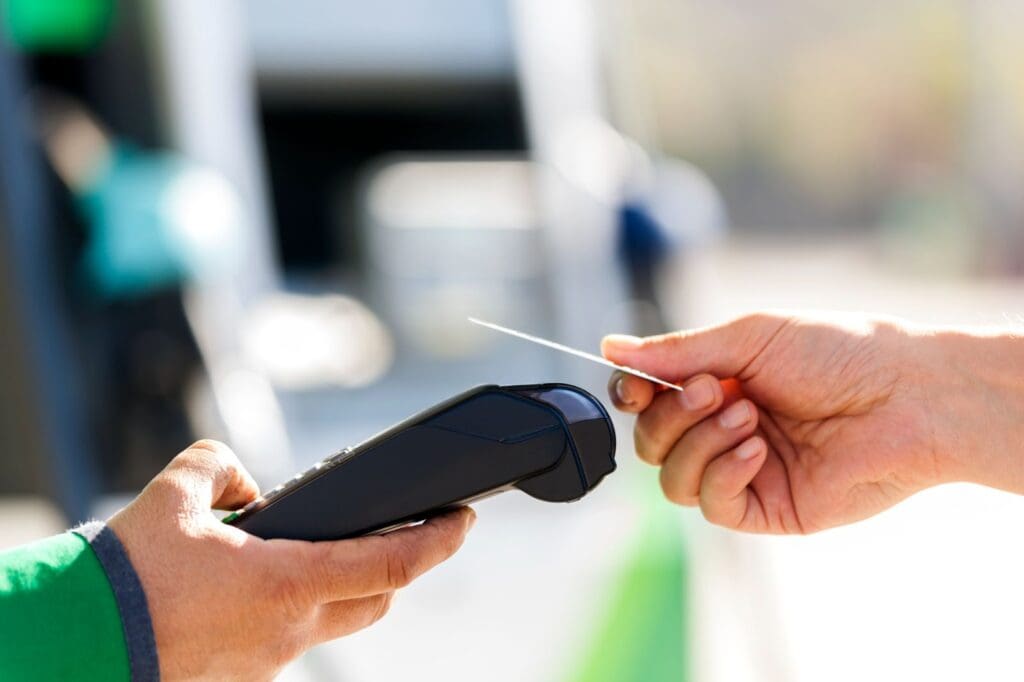
Despite the rise of digital payments, cash remains a critical payment method for millions of Americans. The NY cashless ban is especially important for working families, small businesses, and New Yorkers who rely on cash for everyday transactions. The law impacts both the city, where local laws and governance in New York City play a significant role, and regions like Western New York, ensuring statewide coverage and protection. The law promotes economic inclusion and protects vulnerable populations such as the unbanked and low-income residents. Understanding why cash acceptance matters helps explain the law’s importance:
Cash Usage Statistics
- 83% of U.S. consumers used cash at least once in the past 30 days
- Consumers spent $683 billion in cash in 2024
- Cash accounts for 14% of all consumer payments by number of transactions
- 60% of Americans still use cash for point-of-sale transactions
- Americans withdrew $730 billion from ATMs in 2024
Who Relies on Cash?
Unbanked Households: 4.2% of U.S. households (5.6 million households) lack bank or credit union accounts. Of these:
- 66.2% rely entirely on cash for transactions
- 70% of their payments are made in cash
- 50%+ of bills are paid with cash
Underbanked Households: 14.2% of U.S. households (19 million households) have bank accounts but primarily use cash and alternative financial services.
Income-Based Usage: Households earning under $25,000 annually use cash for nearly one-third of all purchases.
Small Transactions: For purchases under $25, consumers use cash as frequently as debit cards.
The Compliance Challenge: Why Businesses Need Solutions Now

The March 20th, 2026, effective date creates an urgent timeline for compliance. The recent penny shortage has also created operational and legal challenges for food retailers and other businesses. The federal government has provided guidance on coin shortages, highlighting the need for businesses to adapt. Recent nationwide disruptions in the supply of pennies have also posed practical challenges for cash transactions. Many grocery stores need coins, including pennies, to operate self-checkout stations and vending machines. Senator Sanders recommended that businesses round down to the nearest nickel when needed to manage coin scarcity. Businesses face several challenges:
1. Operational Complexity
Managing cash creates logistical challenges:
- Cash handling and security procedures
- Employee training on cash acceptance
- Bank deposit logistics and timing
- Change-making requirements (especially given coin shortages)
2. The Coin Shortage Problem
Recent nationwide shortages of pennies have created additional complications. Businesses in cash discrimination states cannot use “symmetrical rounding” to manage coin shortages, forcing them to maintain adequate change supplies.
3. Enforcement and Penalties
The New York Department of State’s Division of Consumer Protection will enforce the law with:
- First violation: Civil penalties of up to $1,000
- Subsequent violations: Civil penalties of up to $1,500
- Consumer complaint-driven enforcement
- Proactive compliance investigations
If a store refuses to accept cash, complaints can be filed with NYC’s Department of Consumer and Worker Protection. Failure to comply with the cash acceptance law can result in civil penalties of up to $1,000 for a first violation and $1,500 for subsequent violations.
4. Multi-Location Challenges
Businesses operating across multiple sectors (retail, hospitality, entertainment) or various locations must ensure consistent compliance standards across all facilities.
The Reverse ATM Solution
The law includes a critical compliance alternative: businesses can meet cash acceptance requirements by providing Reverse ATMs (also called cash-to-card kiosks) that convert cash into prepaid cards, effectively allowing customers to convert some money into a digital payment form. The Reverse ATM exception is effective only as long as the machine is operational, as this is the form in which the exception is implemented.
Reverse ATM Requirements
To qualify as compliant, Reverse ATM solutions must meet specific criteria:
- Maximum deposit requirement: $1 or less
- No fees: Zero charges on the prepaid card
- Non-expiring funds: Money loaded never expires
- Operational requirement: If the machine is out of service, the business must accept cash directly
Why Reverse ATMs Make Business Sense
Eliminates Cash Handling
- No employee cash training required
- No register balancing or bank deposits
- Reduced theft and loss risk
- No change-making complications
Maintains Compliance
- Meets all legal requirements when properly configured
- Provides customers with immediate payment capability
- Creates an electronic payment trail for accounting
Improves Operational Efficiency
- Reduces cash management labor costs
- Speeds up transaction times
- Minimizes security concerns
- Simplifies multi-location operations
Customer Convenience
- Converts cash to widely-accepted prepaid cards
- Enables online and in-store purchases
- Provides a digital payment option without requiring a bank account
- Serves unbanked and underbanked populations effectively
Industry-Specific Implications
Retail and Hospitality
High-volume businesses benefit most from Reverse ATM solutions:
- Eliminates long lines at registers during cash transactions
- Reduces end-of-day cash reconciliation time
- Minimizes security risks from extensive cash holdings
Sports Stadiums and Entertainment Venues
Large venues with cashless operations must now provide alternatives:
- Multiple Reverse ATM locations throughout the facility
- High-capacity machines for peak times (before events, halftime)
- Clear signage directing customers to conversion kiosks
Transportation Hubs
Airports, train stations, and transit facilities serve diverse populations:
- International travelers prefer cash
- Unbanked populations relying on cash
- Time-sensitive travelers needing quick solutions
Universities and Educational Institutions
Campus operations serve students with varied payment preferences:
- Student dining halls and food courts
- Campus bookstores and retail
- Event ticketing and entertainment
Tourist Attractions
Visitors often prefer or only have access to cash:
- International tourists with foreign currency
- Souvenir shops and gift stores
- Food and beverage concessions
Implementation Timeline: What to Do Now
With just days until the law takes effect, businesses should take immediate action:
Immediate Actions
- Assess current operations: Identify all customer-facing payment points
- Evaluate compliance options: Cash acceptance vs. Reverse ATM solutions
- Research providers: If choosing Reverse ATMs, begin provider evaluation
Short-Term Actions
- Select solution: Finalize decision on Reverse ATM provider
- Begin installation: Order equipment and schedule installations
- Update policies: Revise payment acceptance policies and procedures
- Staff communication: Inform employees of upcoming changes
Final Actions
- Complete installation: Ensure all Reverse ATMs are operational
- Staff training: Train employees on new systems and customer support
Choosing the Right Reverse ATM Partner

Not all Reverse ATM solutions are created equal. When evaluating providers, consider:
Technical Requirements
- Reliability: Uptime guarantees and maintenance responsiveness
- Capacity: Transaction volume capabilities for your location
- Card options: Types of prepaid cards supported
- User interface: Ease of use for customers of all ages and technical abilities
Compliance Features
- Fee-free operation: Verifiable zero-fee structure
- $1 deposit maximum: Properly configured deposit requirements
- Non-expiring funds: Confirmed perpetual fund availability
- Legal documentation: Written compliance guarantees
Service and Support
- Installation timeline: Ability to meet the March 20 deadline
- Ongoing maintenance: Regular servicing and repairs
- 24/7 support: Technical support for issues
- Backup plans: Alternative solutions if machines malfunction
Financial Considerations
- Transparent pricing: Clear cost structure without hidden fees
- Revenue sharing: Potential revenue opportunities from ATM operations
- Contract flexibility: Terms that work for your business model
The Cost of Non-Compliance
Beyond financial penalties, non-compliance creates risks: fines and penalties for violating the NY cashless ban can also impact a business’s taxes, potentially increasing overall financial burdens and affecting tax reporting.
Direct Financial Impact
- Fines ranging from $1,000 to $1,500 per violation
- Multiple locations = multiple potential violations
- Repeat violations = escalating penalties
Reputational Damage
- Negative customer experiences
- Social media complaints
- Lost business from cash-preferring customers
- Media attention to enforcement actions
Operational Disruption
- Emergency compliance implementation under pressure
- Higher costs for rushed solutions
- Staff confusion and customer service issues
- Potential business interruption during compliance activities
BluePoint ATM: Your Compliance Partner
At BluePoint ATM, we specialize in Reverse ATM solutions designed specifically to comply with New York’s cash acceptance law. Our systems meet all legal requirements while delivering seamless customer experiences and operational efficiency to support your business.
Our Compliance Advantage
Legally Compliant Solutions: Our Reverse ATMs are pre-configured to meet all New York State requirements, including zero fees, $1 maximum deposits, and non-expiring funds.
Rapid Deployment: With 65 days remaining until the deadline, we prioritize installation for New York businesses to ensure compliance by March 20, 2026.
Industry Expertise: We serve the retail, hospitality, entertainment, transportation, government, education, and tourism sectors with customized solutions.
Ongoing Support: Our technical team provides 24/7 monitoring, regular maintenance, and rapid response to any issues that may arise.
Why Choose BluePoint ATM?
- Proven track record serving major venues and multi-location businesses
- Full compliance guarantee with legal requirements
- Transparent pricing with no hidden fees
- Comprehensive training for your staff
- Scalable solutions for single locations or enterprise deployments
Take Action Today
The March 20, 2026, deadline is approaching rapidly. Don’t wait until the last minute to ensure compliance with New York’s cash acceptance law.
Contact BluePoint ATM today to schedule a consultation and learn how our Reverse ATM solutions can help your business achieve compliance while improving operational efficiency.
With decades of experience in payment solutions and a deep understanding of regulatory compliance, BluePoint ATM is your trusted partner for navigating New York’s new cash acceptance requirements.
About BluePoint ATM
BluePoint ATM offers comprehensive payment solutions, including Reverse ATMs, traditional ATM services, and payment technology, for businesses across various industries, including retail, hospitality, entertainment, transportation, government, education, and tourist attractions. Our commitment to compliance, reliability, and customer service makes us the preferred partner for businesses navigating complex payment regulations.
Ready to ensure compliance? Contact BluePoint ATM today.