
What is an ATM? Understanding Automated Teller Machine Meaning and Functions
July 16, 2025
If you’ve ever withdrawn cash from a wall-mounted terminal or checked your account balance on the go, you’ve interacted with an ATM. But what is an ATM exactly? The ATM’s full form is the Automated Teller Machine, a self-service electronic banking device that allows customers to complete various banking transactions without a bank representative or bank teller present. An ATM is also known as an electronic banking outlet, enabling customers to perform basic transactions such as cash withdrawals, deposits, and balance inquiries. Whether you need to deposit cash, withdraw cash, or simply view your current account balance, ATMs make these tasks convenient and accessible.
ATM Functions Explained: How to Withdraw Cash

ATM functions explained include a broad range of banking tasks:
- Cash withdrawal: The most frequent use, enabling people to perform a cash withdrawal directly from their bank account.
- Deposit cash: Some ATMs accept deposits, allowing users to insert physical money into the machine for same-day posting and add funds to their accounts.
- Transfer money: Move funds between checking and savings accounts or pay off loans.
- Balance inquiry: A standard menu option that allows you to check your account balance and recent transactions on screen or via a printed receipt.
- Bill payments: Many modern ATMs let users pay credit card bills, loans, or utility bills, and some also allow cash advances from a credit card.
- PIN changes: Update your personal identification number (PIN) for enhanced security.
These financial transactions are enabled through secure links to the bank’s ATM or a shared ATM network, ensuring your data and funds are protected at every step. Note that some machines may charge ATM fees, particularly if you use an ATM owned by a different bank.
To avoid ATM fees, use ATMs within the same bank or those offering free ATM services. Some institutions even refund surcharge fees incurred at third-party terminals.
History of Automated Teller Machines (ATMs)
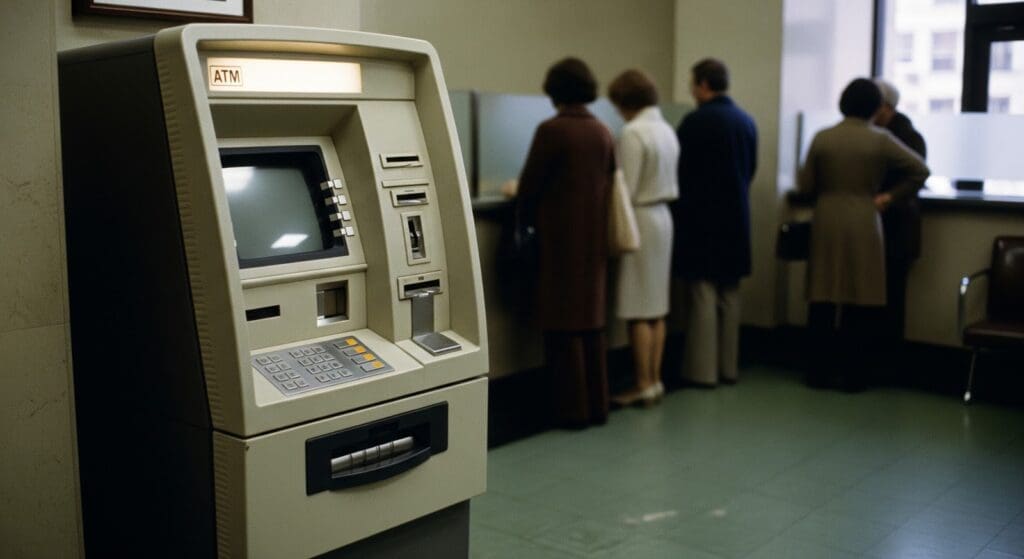
The history of ATMs began in the late 1960s. While Barclays Bank in London is credited with deploying the first ATM in 1967, Chemical Bank in New York launched the U.S. version soon after, famously stating: “On Sept. 2, our bank will open at 9:00 and never close again.” These early machines had limited functionality, such as simply dispensing cash using preauthorized tokens.
Today, ATMs can handle various banking transactions, from account deposits to transferring funds, and serve as vital tools for millions worldwide. They’ve grown from simple cash dispensers into powerful hubs of banking services supported by vast, interconnected ATM networks. Modern ATMs can also facilitate specialized services such as agricultural transactions for farmers, including crop insurance, loans, and subsidies, as well as e-commerce transactions for online shopping payments and digital commerce activities.
Using an ATM Today
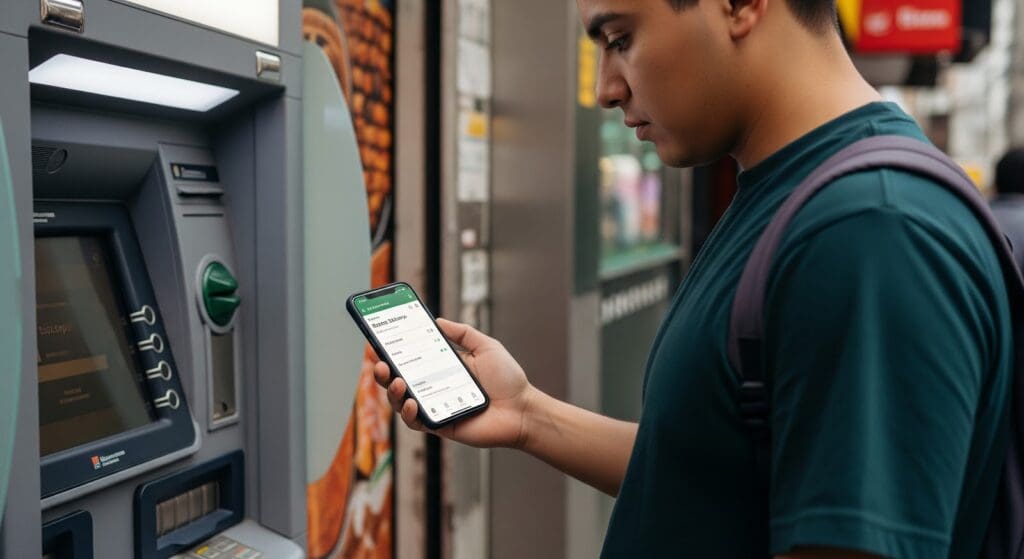
To use an ATM, simply insert your debit or ATM card, enter your personal identification number, and follow the prompts to complete your transaction. You’ll typically have access to features like withdrawal limits, balance displays, deposit money, and cash withdrawals. Some machines also support online banking functions like scheduling bill payments or transferring money to other accounts.
Keep in mind that ATM withdrawal limits vary by bank and location. While many ATMs allow you to withdraw cash anytime, limits are in place for security and cash availability. Using your bank’s ATM usually helps you avoid extra charges, but you may incur additional fees if you use an out-of-network ATM.
ATMs continue to provide banking services in rural and urban areas, offering convenience to customers who need access to money without entering bank premises. They serve financial institutions and consumers by improving access and streamlining routine banking services.
Whether you’re using an ATM for the first time or depend on it for regular cash transactions, understanding what an ATM stands for (Automated Teller Machine), how it works, and its benefits helps you manage your finances more effectively. As financial institutions continue to invest in these tools, ATM usage will remain a core part of the global banking services infrastructure.
Would you like help to add a historical timeline, glossary of ATM terms, or comparison chart of withdrawal limits across major banks?
Security and Safety Features of ATMs
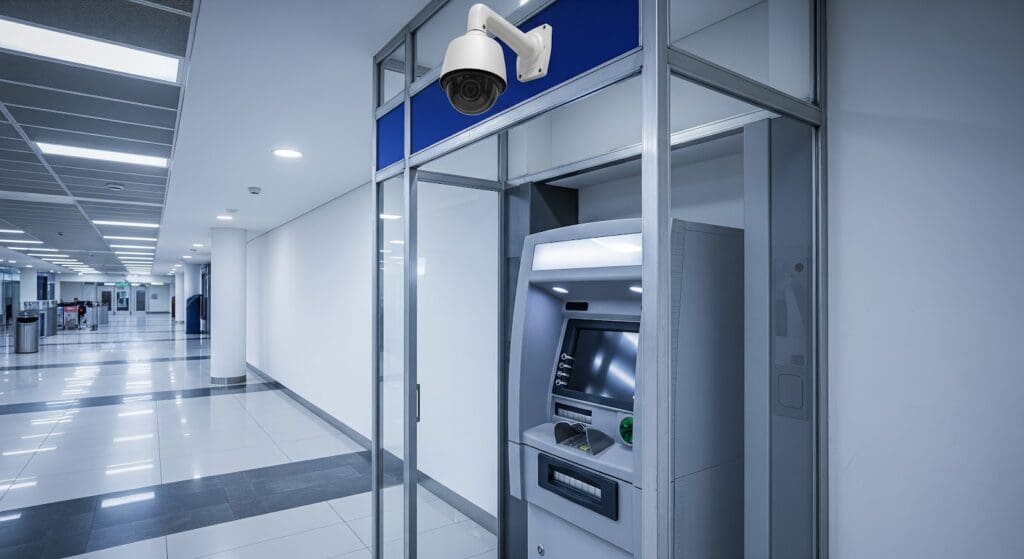
Automated teller machines (ATMs) have various security and safety features to protect users and their financial transactions. One of the most important safeguards is the use of a personal identification number (PIN), which ensures that only authorized individuals can access their bank account to withdraw cash, deposit money, or perform other banking transactions. When using an ATM, entering your PIN correctly is essential for authenticating your identity and keeping your account secure.
To further enhance safety, many ATMs are installed in well-lit, high-traffic locations such as gas stations, grocery stores, and bank branches. These installations often include security cameras and alarm systems to deter criminal activity and provide a safer environment for users. In addition, automated teller machines (ATMs) are designed to automatically cancel transactions and retain the card if the process is not completed within a set time, reducing the risk of unauthorized access.
Modern ATM and debit cards are embedded with security chips that encrypt your data during ATM transactions. This technology makes it much harder for hackers to steal sensitive information, adding extra protection for your financial transactions. Financial institutions also monitor ATM usage for unusual activity, helping to prevent fraud and unauthorized access to your bank account.
It’s best to use ATMs within your bank’s network to avoid atm fees and ensure secure transactions. When using an ATM, always cover the keypad while entering your PIN, and be cautious of any devices attached to the card reader, as these could be skimming devices designed to capture your card details. Regularly checking your account balances and recent transactions can help you quickly spot any suspicious activity and take action if needed.
If you ever notice anything unusual while using an ATM or suspect your information has been compromised, contact your financial institution or nearest bank branch immediately. By staying alert and following these safety tips, you can enjoy the convenience of automated teller machines for withdrawing cash, depositing money, and managing your bank accounts confidently. Financial institutions and users working together help ensure that ATMs remain a secure and reliable option for various banking transactions.
ATM FAQ: Everything You Need to Know About Automated Teller Machines
What does ATM stand for?
ATM stands for Automated Teller Machine. It’s an electronic banking outlet that allows you to perform financial transactions like withdrawing cash, checking balances, or depositing money without visiting a bank branch.
What types of transactions can I perform at an ATM?
Most modern ATMs allow you to:
- Withdraw cash
- Deposit money
- Transfer funds between accounts
- Check account balances
- Pay bills or credit cards.
- Change your PIN
How does an ATM work?
ATMs are connected to a bank or ATM network. You insert your debit or ATM card, enter your PIN, and choose from available options on the screen. The machine securely processes your request, dispenses cash, records a deposit or performs another selected task.
Are there different types of ATMs?
Yes. Common types include:
- Bank-operated ATMs: These are usually located at bank branches.
- Independent/White Label ATMs: Owned by private companies and not affiliated with a bank.
- Deposit-enabled ATMs: Accept cash or checks for deposit.
- Basic ATMs: Allow only withdrawals and balance inquiries.
Can I use an ATM, or need one from my bank?
You can use any ATM, but machines outside your bank’s network may incur additional fees. To avoid ATM fees, use ATMs affiliated with your financial institution.
How do ATMs keep my information safe?
ATMs are equipped with:
- PIN authentication
- Chip-enabled card readers
- Encrypted data transfer
- Security cameras
- Fraud monitoring by banks
Always cover the keypad when entering your PIN and inspect the card slot for any suspicious attachments (possible skimming devices).
Are there limits on how much cash I can withdraw?
Yes. Withdrawal limits vary by bank and location, but they generally range from $300 to $1,000 per day. You can check your limit via online banking or by contacting your bank.
Can ATMs accept deposits?
Many do. Deposit-enabled ATMs allow you to deposit cash or checks directly into your account. These funds may be available immediately or within one business day, depending on your bank’s policies.
Who invented the ATM?
The first ATM was introduced by Barclays Bank in London in 1967. In the U.S., Chemical Bank launched its first ATM in 1969, promoting 24/7 cash access.
What should I do if my card is retained or the machine malfunctions?
If your card is captured or the transaction fails:
- Contact your bank immediately
- Note the ATM location and time.
- Do not walk away without checking your account status or contacting the institution.